
Body Shop vs. Dealership Collision Repair: Which Should You Choose?
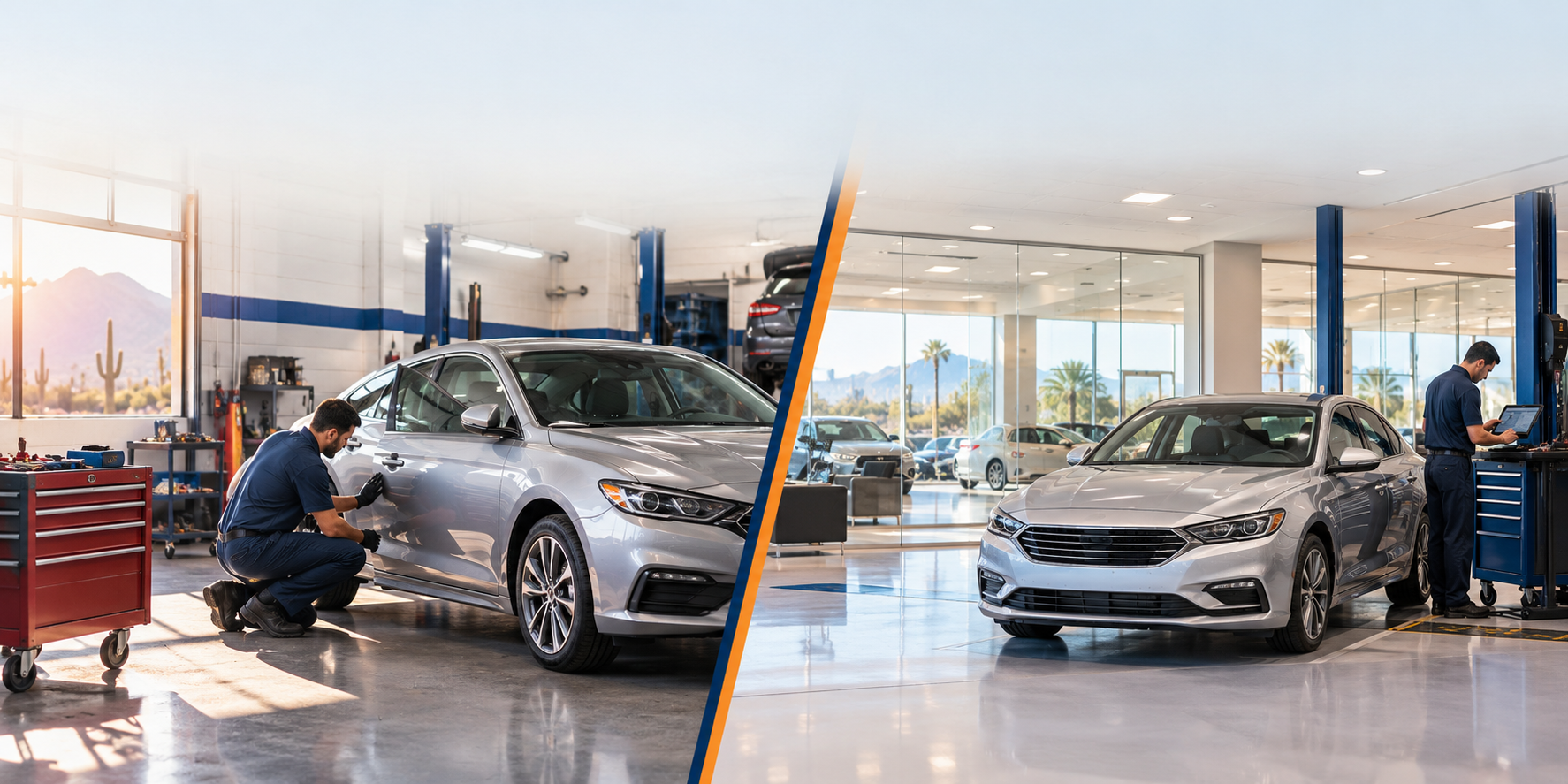
After an accident, one of the first decisions you face is where to send your vehicle. The choice between a body shop vs dealership collision repair affects your repair cost, the parts used on your car, how long you wait, and how confident you feel about the final result. Many drivers assume the dealership is the safer option because it carries the manufacturer’s name, while others assume an independent shop is always cheaper. Neither assumption is fully accurate.
This guide explains how each option works, where they differ, and which factors matter most for your situation. It is meant to help you make an informed decision before you approve any estimate or sign any work order.
What Is the Difference Between a Body Shop and a Dealership Collision Center?
Both types of facilities repair vehicles after a collision, but they are set up differently. Understanding that structure explains most of the differences in price, parts, and service.
Independent Body Shops
An independent body shop is a business that repairs vehicles from many different makes and models. Its technicians work on structural repair, panel replacement, dent removal, refinishing, and mechanical work related to collision damage. Because these shops handle a wide range of vehicles, they tend to be flexible about parts sourcing and repair methods. A reputable collision repair center such as Arizona Collision Center works with customers directly and with their insurance providers to complete repairs on a broad variety of vehicles.
Dealership Collision Centers
A dealership collision center is usually connected to a franchised new car dealer and focuses on that manufacturer’s brands. Technicians often receive training programs from the automaker, and the facility typically uses factory parts and manufacturer repair procedures. This can be a real advantage for newer vehicles with complex materials or electronic systems. The tradeoff is that dealership collision work is often priced higher and may have a longer wait for an appointment.
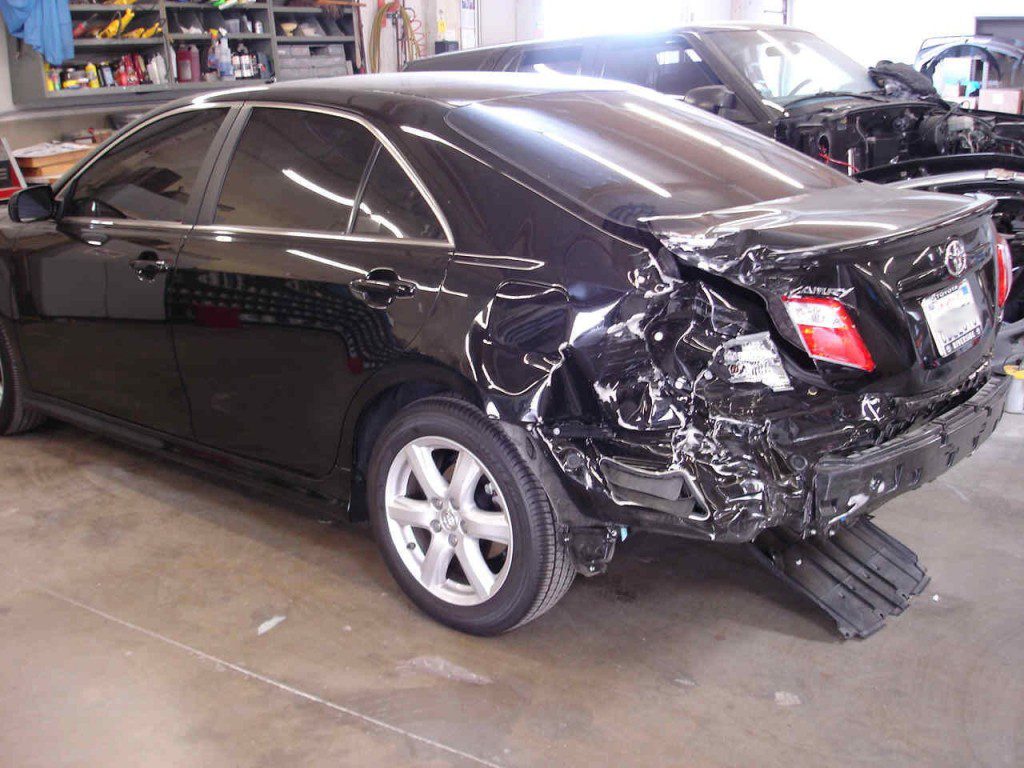
Body Shop vs. Dealership Collision Repair at a Glance
The table below summarizes the typical differences. Individual shops vary, so treat this as a general guide rather than a rule.
| Factor | Independent Body Shop | Dealership Collision Center |
|---|---|---|
| Vehicle makes serviced | Most makes and models | Mainly the dealer’s own brands |
| Typical labor rates | Often lower | Often higher |
| Parts options | OEM, aftermarket, or recycled, depending on your choice and policy | OEM, aftermarket, or recycled |
| Manufacturer training | Varies by shop and technician | Usually brand-specific |
| Scheduling | Often more flexible | Can involve longer wait times |
| Warranty on repairs | Set by the shop, often covering workmanship | Set by the dealer, sometimes with manufacturer backing on parts |
| Insurance coordination | Commonly handled directly with your insurer | Commonly handled directly with your insurer |
How Cost Compares
Price is usually the first concern. Dealerships generally carry higher overhead, including showroom space, brand standards, and specialized equipment, and that cost can show up in labor rates and parts pricing. Independent shops often charge less per labor hour and may offer more ways to manage the total bill.
That said, the lowest estimate is not always the lowest final cost. A repair that is done quickly but poorly can lead to paint defects, panel gaps, or unresolved structural issues that cost more to fix later. When you compare estimates, look at what each one includes: labor hours, paint and materials, parts type, and any additional steps such as calibration or inspection. Ask for an itemized estimate so you can compare like with like.
Parts: OEM, Aftermarket, and Recycled
Parts are one of the biggest differences between the two options, and they influence both price and fit.
- OEM parts are made by or for the vehicle manufacturer. They are designed to match the original specifications.
- Aftermarket parts are produced by third-party companies. Quality varies, and some are certified to meet specific standards.
- Recycled or used parts come from salvaged vehicles and can be a practical choice for certain components when they are in good condition.
Dealerships typically use OEM parts by default. Independent shops can use any of the three types, depending on your preference, your insurance policy, and the vehicle’s age. If your car is new or still under a manufacturer warranty, OEM parts are often worth discussing. For an older vehicle, quality aftermarket or recycled parts may be a reasonable way to keep the repair affordable. In either case, ask the shop to document which part types are being used.
Warranty and Quality of Repair
A repair warranty tells you how confident a shop is in its work. Both body shops and dealerships may offer a written warranty, but the terms differ. Some shops provide coverage on workmanship and paint for a stated period, while parts may carry separate manufacturer coverage.
Before you decide, ask these questions:
- What does the repair warranty cover, and for how long?
- Does it cover paint, labor, parts, or all three?
- Is the warranty in writing?
- What happens if the warranty issue appears after I move or sell the vehicle?
Also ask about paint matching. A good refinishing process involves color blending and curing so that the repaired panel looks consistent with the rest of the car. Viewing completed work or reading verified customer reviews can give you a better sense of quality than a price quote alone.
Insurance Claims and Your Right to Choose
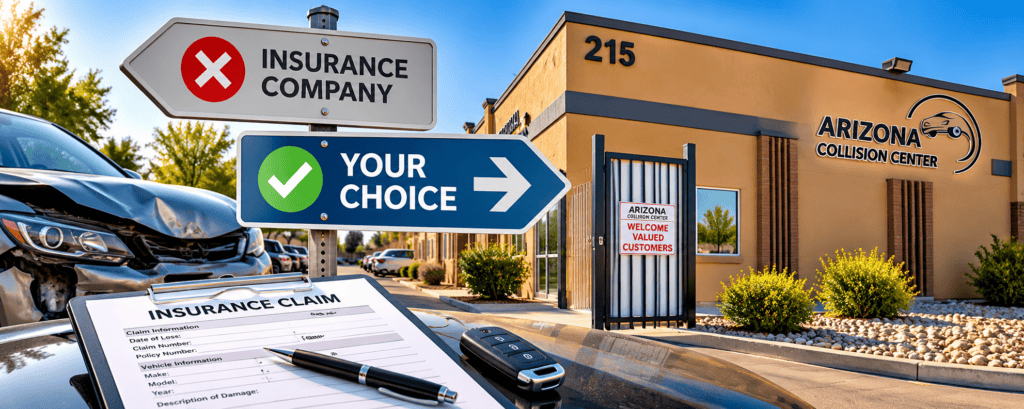
Many drivers feel pressure to use whichever shop their insurer recommends. Insurers often have preferred repair networks, and using one can streamline the claim. However, drivers generally have the right to choose the repair facility they trust, and that right applies to both independent shops and dealerships. Check your policy and your state’s rules, or ask your insurance representative directly.
Either type of facility can usually work with your insurance company to review the estimate, document the damage, and manage supplemental claims if hidden damage is found once the vehicle is disassembled. What matters is that the shop communicates clearly about what the insurer has approved and what, if anything, you owe beyond your deductible.
Turnaround Time and Convenience
Repair time depends on the extent of damage, parts availability, and the shop’s workload. Dealership collision centers sometimes have longer queues because they handle repairs for a smaller set of brands but often operate with fewer bays. Independent shops may be able to start work sooner, although this varies.
Parts availability can matter more than the shop type. A backordered OEM part can delay any repair, regardless of where it is done. Ask for an estimated completion date and a plan for updates, and find out whether the shop can arrange a rental vehicle or coordinate one through your insurer.
Newer Vehicles and Driver Assistance Systems
Modern vehicles include sensors, cameras, and radar units that support features such as lane keeping, automatic braking, and blind spot monitoring. Even a minor bumper or windshield repair can affect how these systems work, and many require calibration after repair.
This is an area where you should ask specific questions, whichever facility you choose:
- Does the shop have the equipment to calibrate driver assistance systems, or does it use a qualified partner?
- Will it follow the manufacturer’s repair procedures for your model?
- Will you receive documentation of the calibration?
Dealerships often have direct access to manufacturer procedures, which is a strength for late-model vehicles. Many independent shops also invest in current training and equipment, so the best approach is to ask and verify rather than assume.
Questions to Ask Before You Decide
Whether you lean toward a body shop or a dealership, a short list of questions can help you compare your options clearly:
- Is the estimate itemized, and does it list the parts type for each item?
- Does the shop work directly with my insurance company?
- What is the written warranty, and what does it cover?
- How long will the repair take, and how will I be updated?
- Can the shop explain how it handles structural measurement, paint matching, and calibration?
- Does the shop offer a final inspection before I pick up the vehicle?
A shop that answers these questions plainly and in writing is usually one that stands behind its work.
Why a Post-Repair Inspection Matters
No matter where the repair is done, a final check protects you. A post-repair inspection confirms that panels align, paint is consistent, lights and sensors function, and the work matches the approved estimate. It is also an opportunity to catch small issues before you drive away, when they are easiest to address.
If you are unsure whether your vehicle was repaired properly elsewhere, an inspection can also provide a second opinion. Look for signs such as uneven panel gaps, paint texture differences, warning lights, or unusual noises after the repair.
Finishing Touches After the Repair
Collision work can leave a vehicle with dust, overspray residue, or interior debris from the repair process. Professional car detailing can clean and refresh the vehicle after the work is complete, which helps you see the paint and finish clearly and return to a clean car. It is not a substitute for repair quality, but it is a practical final step.
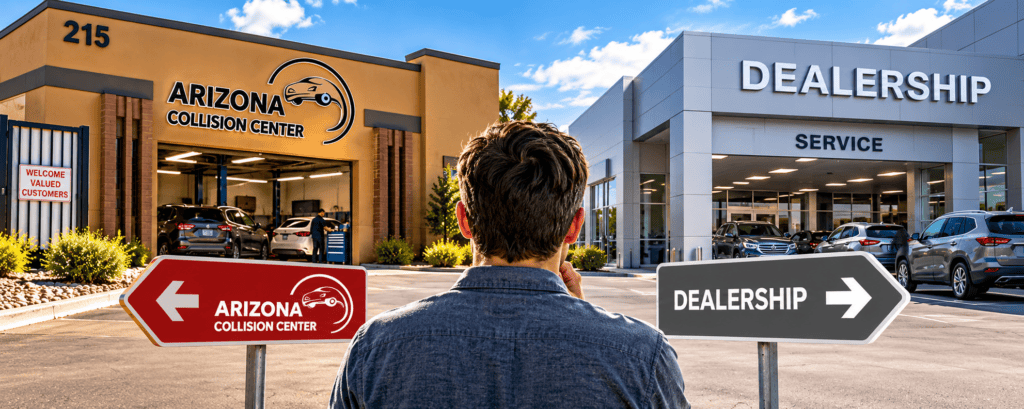
So, Which Should You Choose?
The right choice depends on your priorities.
- Consider a dealership collision center if you drive a late-model vehicle with advanced systems, you want factory parts as a rule, or your warranty terms make OEM repair important.
- Consider an independent body shop if you want flexibility on parts and scheduling, you are managing cost, or you value working directly with a local team that handles many vehicle types.
For many drivers, a well-equipped independent collision repair center offers a balance of quality, communication, and value. For others, a dealership is the better fit. The most reliable approach is to get at least two itemized estimates, ask the questions listed above, and choose the facility that is transparent about its process and warranty.
Frequently Asked Questions
Is a body shop cheaper than a dealership for collision repair?
Often, yes. Independent body shops commonly have lower labor rates and offer more parts options. Final cost still depends on the damage, the parts used, and the scope of the repair, so compare itemized estimates rather than relying on general assumptions.
Will using a body shop void my manufacturer warranty?
In general, having collision repair done at an independent shop does not automatically void a vehicle warranty. However, warranty coverage on affected components can depend on how the repair was performed and the parts used. Review your warranty documents and ask the shop how it documents its work.
Do I have to use the shop my insurance company recommends?
Drivers generally have the right to choose their repair facility. A recommended shop can make the claim process simpler, but it is not usually required. Confirm the details with your insurer and review your policy.
Are aftermarket parts safe?
Many aftermarket parts meet recognized quality standards, but quality varies by manufacturer. Ask the shop which brand it uses, whether the part is certified, and how it compares with the OEM option for your vehicle.
How long does collision repair usually take?
Timelines range from a few days for minor damage to several weeks for major structural repair or when parts are backordered. A reliable shop will provide an estimated completion date and update you if hidden damage or parts delays change the schedule.
Should I get a second opinion on an estimate?
Yes, especially for significant damage. A second estimate helps you compare labor hours, parts choices, and repair methods, and it can reveal items that were missed in the first assessment.
Next Steps
If you are weighing your options after an accident, a clear estimate and a straightforward conversation about parts, warranty, and timing are the best places to start. You can learn more about the services available at Arizona Collision Center or contact the team to ask questions and request an estimate for your vehicle.


No Comments
Sorry, the comment form is closed at this time.